Smart Home Circuitry Orange County: Future-Proof Your Property
A couple of summertimes back in Irvine, a client called after tripping breakers every time the clothes dryer, the range, and the vehicle battery charger performed at when. The house looked pristine, but the panel was a worn out 100 amp relic from the 80s, the garage only had 2 15 amp circuits, and the Wi‑Fi struggled beyond the living room. They wanted security cams, a hardwired network for work, an electrical automobile charger, smarter lighting, and a plan they would not have to renovate in 3 years. That project is a great picture of where Orange County house owners find themselves. The technology keeps advancing, energy codes have actually tightened up, and the homes range from mid‑century pieces to brand-new construction with media spaces. Smart home wiring in Orange County is not about overdoing devices. It has to do with developing a strong electrical and low‑voltage foundation that supports convenience, security, and whatever you include next.
What future‑proofing really suggests in Orange County
Future proofing is a handful of useful options, not a crystal ball. It is positioning conduit where you can not fish later on, running Cat6A while the walls are open, sizing the electrical service with space to grow, centralizing low‑voltage terminations, and preparing for electrical cars, solar, batteries, and outdoor living. Orange County's housing stock and climate shape those choices. Stucco outsides and piece foundations make retrofits trickier. Attic gain access to varies from generous to crawl‑only. Salt air near the coast rusts outside boxes quicker. Wildfire season brings occasional public security power shutoffs inland. State and local codes evolve, and Southern California Edison off‑peak rates push behavior.
A good Orange County electrician will look at the home as a system. That consists of load estimations for an electrical panel upgrade, placement of subpanels for long runs, entire home rewiring strategies for older homes, low voltage electrical wiring courses for Wi‑Fi gain access to points and video cameras, and lighting plans that fulfill California Title 24 while staying beautiful at night.
The foundation begins at the service and panel
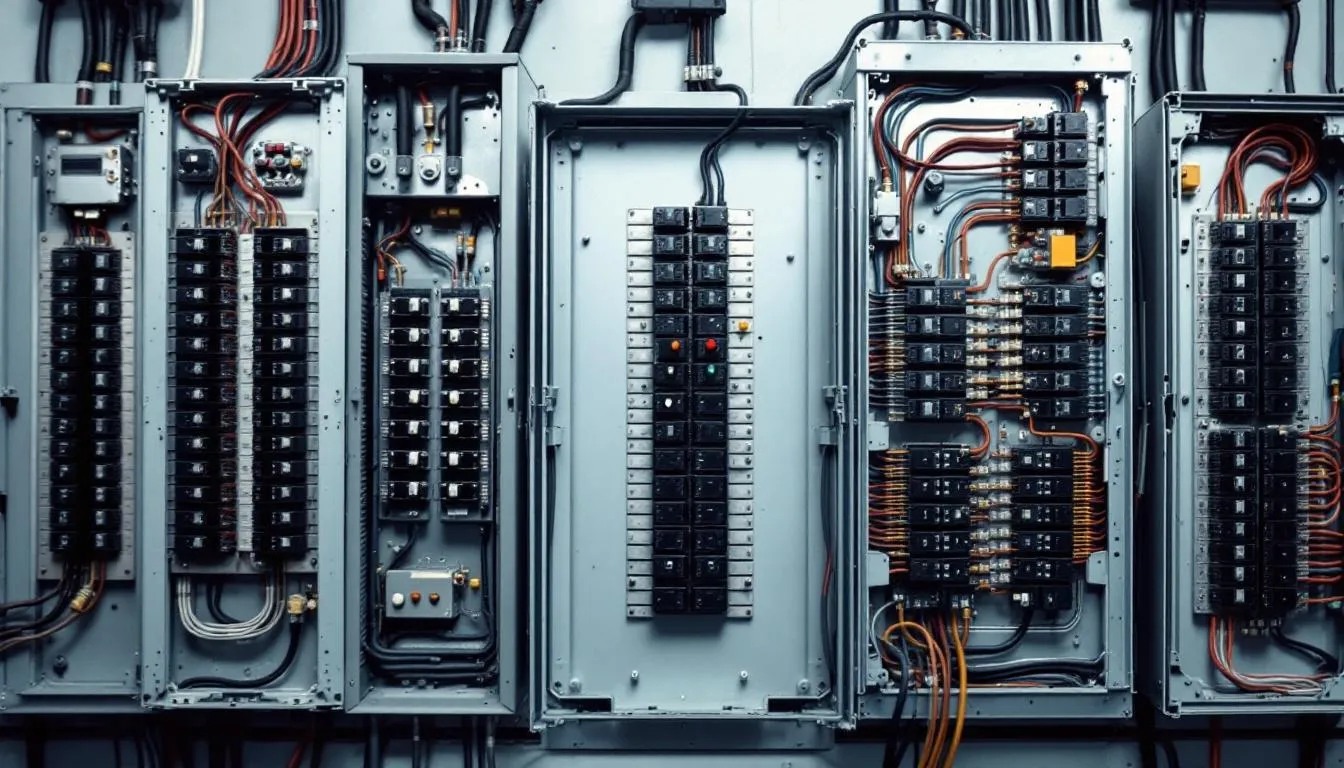
The primary limiter for wise home tasks is an undersized primary service. Lots of OC homes still have 100 amp panels, and a lot of 60s and 70s develops bring 125 amps with hardly any spare areas. If you desire an EV charger setup in Orange County, plus a jacuzzi, plus more kitchen circuits, you will hit the https://sergiotwub004.evergrovio.com/posts/rise-defense-installation-orange-county-safeguard-your-electronic-devices ceiling quickly.
A typical contemporary single‑family target is 200 amps. Larger homes with 2 EVs, a pool, and electrified heating in some cases justify 300 or 400 amps. The choice is not a guess. A licensed electrical contractor in Orange County will run a load calculation, weigh actual device scores, look at synchronised usage, and think about demand management alternatives. Panels likewise need physical area and working clearance, which can be tight on older garages with water heaters and conditioners crowding the wall. If a panel replacement in Orange County is on your radar, build in time for authorizations and energy coordination, and anticipate to discuss meter area, grounding and bonding upgrades, and rise protection.
Subpanels are the quiet workhorses. In new wings or ADUs, or on long runs to a detached garage, a dedicated subpanel shortens wire runs, lowers voltage drop on big loads, and keeps future expansion simple. Labeling matters. A panel with legible, particular circuit descriptions saves hours of electrical troubleshooting later on and helps any emergency electrician in Orange County work faster at 2 a.m.
Smart lighting that appreciates code and looks right
California's Title 24 energy guidelines affect lighting more than the majority of people recognize. You are asked to use high efficacy fixtures, suitable controls, and oftentimes job or tenancy sensors. For recessed lighting in Orange County, pick IC‑rated, airtight housings or sealed canless fixtures to keep conditioned air where it belongs. The right trim temperature in living locations is generally 2700K to 3000K, with 90+ CRI for excellent color. Cooking areas and job areas can go a little cooler.
The trick with clever lighting is selecting the control layer. If you desire reliability and dimming efficiency that does not flicker, pair fixtures with suitable dimmers. TRIAC, ELV, and 0‑10V are not interchangeable. Numerous clever switches do not love low‑wattage LED loads unless they are designed for it. An expert will mock up a zone, confirm dimming variety, and test for audible buzz. In whole‑home methods, a centralized lighting system with low‑voltage keypads can simplify multiway controls and create tidy wall aesthetic appeals, while specific wise switches are great for smaller homes or targeted spaces. Outside lighting in Orange County ought to utilize sealed, marine‑grade hardware near coastal air. Incorporate picture sensors and huge time clocks so you are not grabbing an app every sunset.
Ceiling fan installation pairs well with lighting upgrades. Lots of fans need dual‑function controls for light and fan speeds, and not all wise fan controllers play nicely with every motor type. Running a dedicated fan‑rated box and switching early avoids ceiling shake and switch incompatibility.
Low voltage is the circulatory system: network, audio, and security
Smart homes die on the hill of weak Wi‑Fi. The single piece of suggestions I offer every customer throughout a remodel is this: hardwire the foundation. Cat6A to fixed gadgets, with strategically put ceiling‑mounted access points fed by PoE, beats attempting to push wireless through lath, ducts, and chimney chases. A structured media enclosure in a central closet or garage corner ends up being the home run for internet, cable television, telephone, security, and intercom. From there, distribute with labeled patch panels. If you can run one cable, pull 2. The 2nd line covers a failure or a future usage you can not foresee.
Why Cat6A instead of Cat5e or plain Cat6? Cat6A supports 10‑gigabit over longer runs and deals with PoE++ with less heat buildup. Electronic cameras, access points, and touchscreens are starving for reputable power and bandwidth. Protected vs unshielded is a judgment call based upon interference, however proper terminations and separation from high‑voltage lines matter more than shielding in many homes.
Low voltage electrical wiring in Orange County frequently includes doorbell stations, driveway video cameras, soffit electronic cameras, and gate controls. We route channels to eaves in a manner that keeps salt air out of terminations and use UV‑rated cable where sunlight direct exposure is unavoidable. For audio, prewire with 14/2 or 16/2 speaker cable to outdoor patios, living locations, and primary suites. If you desire surround noise later, it is difficult to include rear channels as soon as drywall is up. Pull now and cap in place.
EV charging and load management that match your driving
EV ownership in the county keeps climbing up. For a lot of homeowners, a 40 to 50 amp circuit feeding a Level 2 charger covers day-to-day driving. The option is between a NEMA 14‑50 receptacle and a hardwired unit. Receptacles use flexibility and resale appeal, however a hardwired electrical automobile battery charger in Orange County carries out better outdoors and decreases heat at the plug. In older garages with limited capacity, load sharing chargers and clever panels are tools to prevent a complete upgrade. They keep track of total draw and throttle charging dynamically.
Consider future proofing here too. Running a larger channel to the garage, even if you only install a 40 amp breaker today, allows a second EV charger installation in Orange County later without opening walls. Keep charging devices off flood‑prone slab at the garage edge, install at a comfy height, and confirm cord reach to all parking positions. If your garage rests on the property line, mind clearance and code setbacks.
Solar, batteries, and generators: different tools for different problems
Orange County homes are good candidates for solar. If you are reroofing or constructing, put conduit from the primary electrical panel to the attic and to the roofing area where the range will live. Even if you wait on panels, the pathway is the hard part. Set solar with either battery storage or a standby generator depending upon your objectives. Batteries keep important circuits alive quietly during blackouts and assistance arbitrage time‑of‑use rates. Generators run longer and manage heavy loads, however they bring sound, fuel storage, and more maintenance.
For generator installation in Orange County, utilize an appropriate transfer switch or a whole‑house automated transfer equipment. Never backfeed a panel without seclusion. Natural gas is the cleanest fuel locally when available; gas is next best for areas without gas service. Coastal homes require attention to enclosures and deterioration resistance. Battery systems connect into a backed‑up subpanel where you move your critical loads: fridge, a few lights and outlets, network gear, maybe a mini‑split. Clients frequently want the whole home backed up, then alter their mind after they see the cost and space requirements. A careful load research study avoids disappointment.
Safety, examinations, and the nuts and bolts that matter
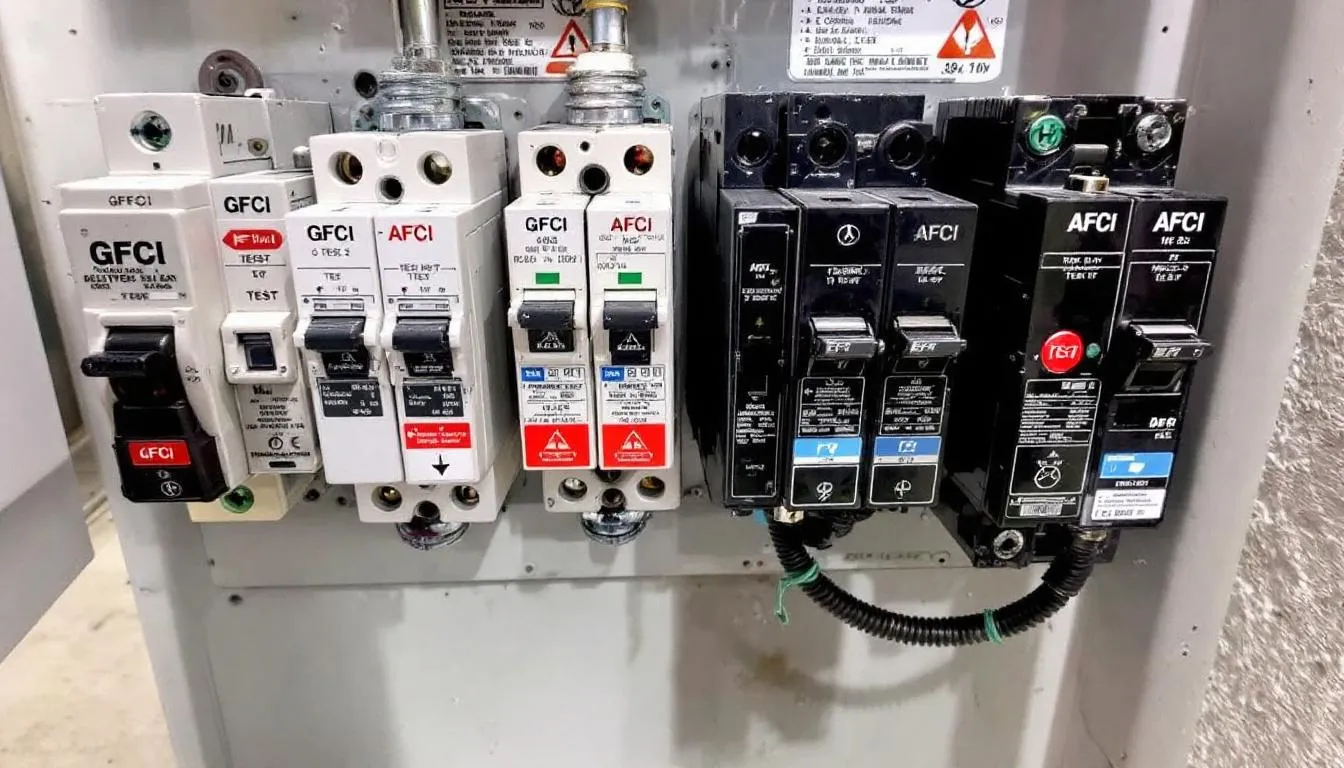
Any clever upgrade gain from a fresh electrical examination. The surprise problems that trigger problem journeys or heat at terminations are generally easy. Loose neutrals at a multiwire branch circuit, bootleg grounds on 60s outlets, or combined aluminum and copper splices without correct connectors show up more than you would think. AFCI and GFCI security is needed in lots of living locations and wet zones respectively. If a breaker keeps tripping, do not swap it for a greater amperage. That masks an issue and creates a hazard.
Whole home surge defense is economical insurance coverage for electronic devices and clever equipment. Try to find a Type 1 gadget at the service or a Type 2 at the primary panel, coupled with point‑of‑use protectors for delicate equipment. Grounding in Orange County deserves a review on panel upgrades. Ufer grounds in slab homes offer exceptional resistance, however lots of older homes count on rusty ground rods or water pipe bonding. Validate that bonding jumpers cross hot water heater dielectric unions and that CSST gas lines, if present, are bonded according to the producer's instructions.
For outlet installation in Orange County where clever speakers, hubs, or Televisions live, place receptacles precisely where they will be utilized. Behind the TV, add a recessed clock outlet and a channel for future HDMI. At islands, make certain you meet spacing rules and GFCI requirements without developing an eyesore. Little decisions throughout rough‑in make a home feel custom-made instead of retrofitted.
Remodeling methods when the walls are currently finished
Not every job has the luxury of open studs. In completed homes, fishing lines through top plates from the attic is the bread and butter method. The constraints are genuine. Fire blocking in mid‑walls stops a fish halfway. Horizontal runs inside stucco shear walls are tough without surface area raceway. In single‑story homes with decent attic access, most runs are possible with perseverance and flex bits. Two‑story homes frequently need imaginative vertical goes after, closet corners, or soffits.
When we retrofitted a 1974 Costa Mesa home for wise lighting and cameras, we included a little garage subpanel to support the EV battery charger and a workbench circuit, utilized the hallway linen closet as a chase from attic to crawlspace for low voltage crowning achievement, and utilized paintable surface raceway behind crown in the living-room to hide a speaker wire run. The owners got the function they desired without opening every wall, and the budget plan stayed in line.

Budgets, phasing, and what provides the most value
Not every upgrade has to take place simultaneously. If you are prioritizing, invest in the backbone. A panel replacement in Orange County that takes you from 100 to 200 amps, integrated with a rise protector and cleanup of old splices, supports everything else. Next, build the low‑voltage network. Hardwire access points and cams, and your day-to-day quality of life improves more than you anticipate. After that, target EV charging, then clever lighting in key areas. Whole home rewiring in Orange County is a larger lift, however if your home still has scruffy cloth‑covered conductors, mixed aluminum branch circuits, or two‑prong outlets, it deserves dealing with in phases by area.
Be honest about aesthetic appeals. Smart changes multiply on a wall fast. A regional electrical expert in Orange County who knows the brand names can combine functions or recommend keypad scenes so you do not wind up with a six‑gang next to the table. Ask to see sample trims and on‑site mockups. During the night, action outside and take a look at glare from outdoor lighting. Goal down and prevent cleaning your next-door neighbor's windows.
Residential and business differences worth noting
Much of the talk is domestic, but clever electrical wiring in offices, dining establishments, and store retail across the county brings its own set of choices. A business electrician in Orange County will plan for emergency situation egress lighting, Title 24 approval screening, load shedding for HVAC, and higher density of PoE devices like point‑of‑sale, video cameras, and access control. Channel fill, plenum‑rated cable television, and correct separation from sprinkler mains matter. For an occupant improvement in a little office, we typically run a dedicated IT subpanel with separated grounds and rise protection, then pull Cat6A to every workstation and to meeting room shows to simplify screen sharing and video calls.
Why authorizations and evaluations secure you
Permits are not paperwork for paperwork's sake. They bring a second set of eyes to verify conductor sizing, overcurrent defense, working clearances, and grounding. They also matter at resale and for insurance coverage claims. A licensed electrical contractor in Orange County who works frequently with local jurisdictions understands how Anaheim differs from Mission Viejo on panel area analyses, or how Huntington Beach deals with outside devices near seaside problems. An Orange County electrical contractor who can describe the license timeline, coordinate with Southern California Edison on service disconnects, and schedule rough and last inspections will keep your task moving.
If work should occur after hours or a breaker stops working at midnight, a 24 hour electrical contractor in Orange County who currently knows your system will get you back online without uncertainty. Same day electrician sees come in handy for immediate outlet fixes or a tripping EV circuit, however the real win is preventing those calls with an extensive preliminary plan.
A practical prewire and preparation list before drywall
- Home run Cat6A from every television area, workplace desk, and ceiling access point to a central media enclosure, and include at least one extra cable per location.
- Install 1 inch or larger avenues from the main panel to the attic and to the garage for future solar, battery, and EV growth, with pull strings and wide‑radius sweeps.
- Provide devoted circuits for refrigerator, microwave, dishwashing machine, disposal, laundry, and EV, and leave a minimum of four spare breaker areas in the main panel or a subpanel.
- Prewire doorbell, cameras, and movement sensing units with PoE where possible, and add low‑voltage to gate controls or driveway posts if preparing future automation.
- Specify dimming types for each lighting zone, test sample components with selected controls, and label every run and breaker clearly at rough‑in.
Red flags that call for immediate attention
- Warm outlets or switches under normal use, burn marks on gadgets, or a recurring burning smell from a room.
- Two prong outlets in living areas without GFCI or AFCI defense, particularly in older homes with unidentified circuitry methods.
- Frequent nuisance journeys on arc‑fault breakers paired with older multiwire circuits, which can suggest a shared neutral circuitry error.
- Corroded or double‑lugged neutrals and grounds in the panel, missing out on bonding jumpers on metallic water lines, or obsolete Zinsco or Federal Pacific panels.
- Extension cords running long-term loads like fridges, freezers, or area heaters due to the fact that outlets are in the incorrect location or circuits are overloaded.
How to choose the right partner for the work
Searches for electrician near me Orange County produce a long list. Concentrate on experience with both line voltage and low voltage. You want a domestic electrician in Orange County who likewise speaks network, PoE, and dimming curves. For mixed‑use buildings or companies, a business electrical expert in Orange County ought to be comfortable with Title 24 documents and acceptance screening. Look for existing licensing, insurance coverage, and a performance history of permitted work. Inquire about brand name familiarity with the systems you are thinking about. The best electrical expert in Orange County for your project will listen first, show you sample installs, and discuss trade‑offs plainly.
Cost matters, and inexpensive electrician Orange County does not need to imply corners cut. It does suggest realistic scopes. A leading rated electrical expert in Orange County will detail what can be fished and what needs opening walls, what products will last near the coast, and where a little additional conduit saves thousands later. If your schedule is tight, a same day electrician in Orange County can manage discrete jobs, then roll the findings into a bigger plan.
A couple of lived lessons from the field
A San Clemente house owner wanted an outside kitchen with heating systems, speakers, and pendant lighting. The main panel sat on the opposite side of your home. We included a little weather‑rated subpanel near the outdoor patio, trenched for power and low voltage in separate channels at appropriate depths, and used stainless hardware to fight the salt air. The heaters required heavy draws, so we interlocked them to run only two of 3 simultaneously. The lighting utilized dimmable fixtures ranked for seaside exposure, and the speakers ran on different low‑voltage lines to prevent hum. Two years later on, no corrosion, no nuisance journeys, and the family uses the area 3 nights a week.
In a 1968 Tustin home with failing aluminum branch circuits, we phased an entire home rewiring. Very first stage handled bedrooms and the office to improve security and work reliability. 2nd phase dealt with kitchen and living areas connected to a panel upgrade and EV charging. We used arc‑fault breakers on the brand-new copper circuits, installed a whole‑house surge protector, and bonded the gas line per code. The house owners saw the distinction right away. No more dimming lights when the microwave runs, and the automobile charges every night without a thought.
For a small Laguna Hills medical workplace, we separated critical loads to an isolated IT subpanel, added PoE for cams and gain access to control, and ran 0‑10V controls for patient room lighting tied to schedules. The personnel stopped battling intermittent Wi‑Fi, security acquired audit logs at doors, and lighting now matches the time of day, lowering eye strain.
The payoff
Smart home wiring in Orange County is ultimately about comfort, security, and the freedom to pick what you add later on. Done well, it vanishes into the walls and simply works. Whether you require Orange County electrical repair for a stubborn circuit, an electrical panel upgrade in Orange County before adding an electric car battery charger, or a complete design from an Orange County electrical contractor for a remodel, the very same concepts use. Build a strong foundation, strategy paths, regard code, and think three relocations ahead. When your home is all set for what is next, the technology stops being a job and begins becoming part of the method you live.